



What Is the Difference Between Eye Exams at a Medical Optometry Office vs a Chain Store?
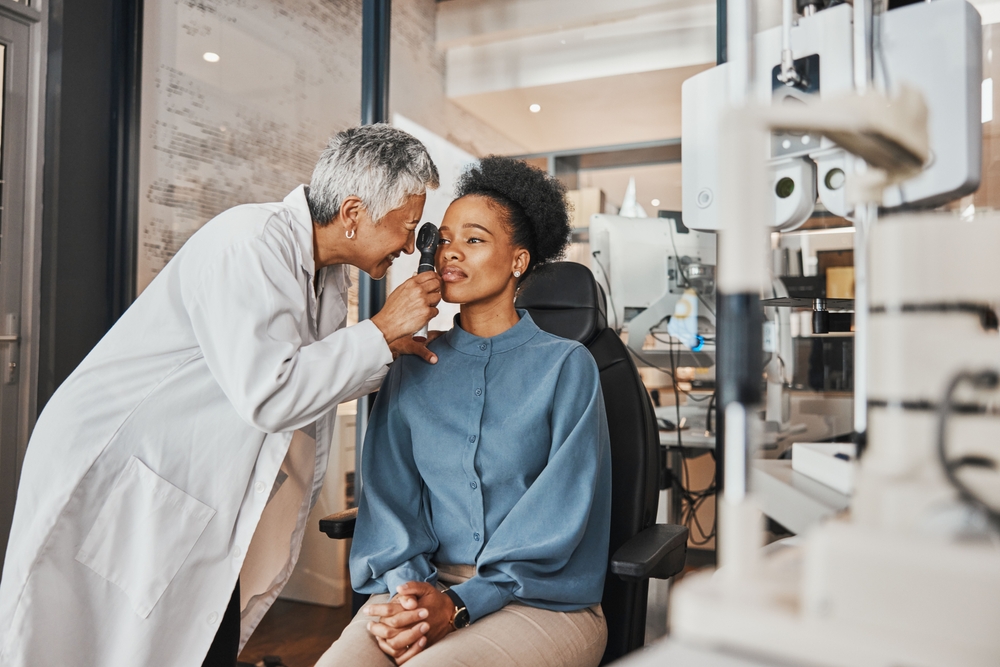
When it’s time for your annual eye exam, you have more choices than ever. You can visit a medical optometry office, book an appointment at a chain store vision center, or even get your eyes checked at some big box retailers.
While these options might seem similar on the surface, the type of practice you choose can significantly impact the quality of care you receive.
Compare the actual clinician, services, appointment process, fees, and follow-up at each location. Ownership alone does not establish the quality or scope of an eye examination.
The Difference Between Medical Optometry Practices and Chain Stores
Purpose and Focus

Medical optometry practices center their approach around comprehensive eye health, disease detection, and long-term management of vision conditions. These practices view each patient visit as an opportunity to assess overall eye health, identify potential problems early, and create personalized care plans that protect vision over time. The primary goal is maintaining and improving your eye health, not just updating your prescription.
Services differ among individual offices, including those located in retail stores. Ask who performs the examination, what it includes, which conditions can be managed, and when referral to another clinician is needed.
Training and Approach
Medical optometry practices often employ optometrists with specialized training and additional certifications in areas like glaucoma management, dry eye treatment, or contact lens specialty care.
These doctors typically focus on continuing education and staying current with the latest advances in eye care technology and treatment options. They typically value thorough evaluation and building long-term relationships with patients.
Ask how much time is scheduled for your concerns, which tests are appropriate, and whether additional appointments or referrals could be needed. Confirm these details with the individual office.
While they maintain their professional licenses and training, the examination process may be more focused on prescription updates rather than a comprehensive medical evaluation.
Technology and Diagnostic Capabilities
Equipment and services vary by location. Ask which examinations are recommended for your situation, why they are recommended, and whether they carry additional charges.
Patient Relationship and Continuity
Medical practices emphasize building ongoing relationships with their patients. They maintain detailed medical records, track changes in your eye health over time, and provide follow-up care when needed. This continuity allows your eye doctor to notice subtle changes that might indicate developing problems and adjust your treatment plan accordingly.
If continuity matters to you, ask whether you can book with the same optometrist, how records are shared, and how follow-up is arranged. These are questions to ask any practice.
Why You Should Choose a Medical Practice for Your Eye Care
Early Detection of Eye Conditions

Medical eye exams excel at catching serious eye conditions like glaucoma, macular degeneration, cataracts, and dry eye in their earliest stages, often before you notice any symptoms.
Early detection is particularly important for conditions like glaucoma, which can cause permanent vision loss without proper treatment. The advanced diagnostic equipment and thorough examination procedures used in medical practices significantly improve the chances of identifying these conditions when they’re most treatable.
This preventative approach to eye care reduces your long-term risk of vision loss and often results in more effective treatment options. Many eye diseases progress slowly and silently, making regular, thorough examinations your best defense against serious vision problems.
Tailored Treatment and Ongoing Care
Medical practices excel at providing personalized guidance for chronic eye conditions like dry eyes, allergies, or early-stage diseases. Rather than offering one-size-fits-all solutions, they develop treatment plans specific to your condition and lifestyle needs. The long-term relationships built in medical practices help your eye doctor identify changes in your eye health before they become serious problems. This ongoing monitoring is particularly valuable if you have risk factors for eye disease, such as diabetes, high blood pressure, or a family history of eye problems.
Better for Anyone With Symptoms, Family History, or Health Conditions
Tell your optometrist about relevant medical conditions and medicines. Ask how eye care will be coordinated with your other clinicians and whether specialist referral is appropriate.
Choose the Eye Care That Protects Your Vision
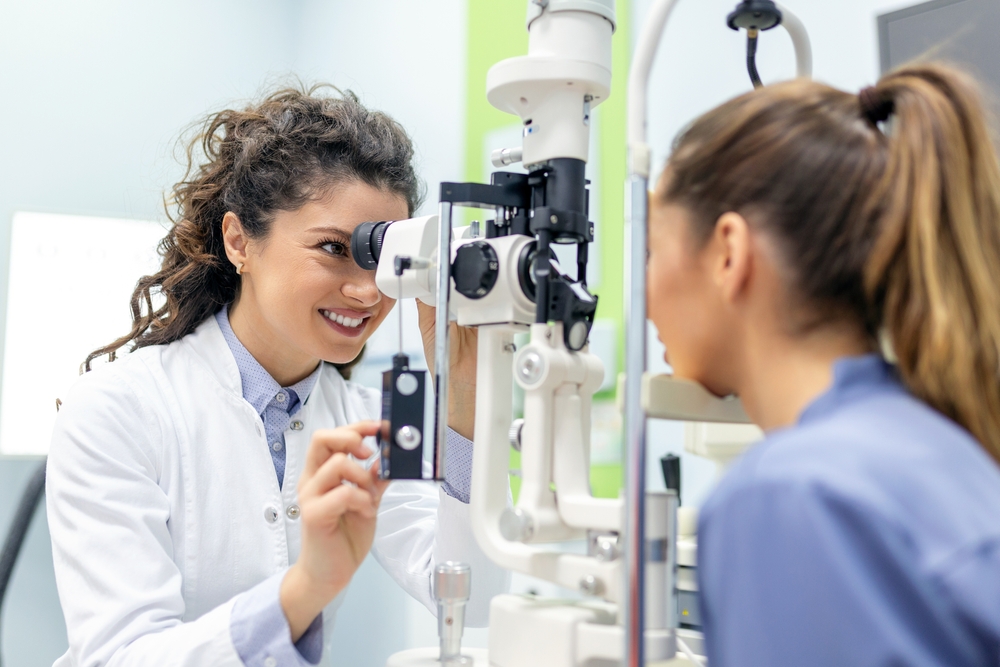
Choose an office based on your needs and the services it can verify. Compare clinician qualifications, examination scope, continuity, fees, follow-up arrangements, accessibility, and eyewear options. Neither independent nor chain ownership guarantees a particular clinical outcome.
When it comes to something as precious as your vision, choosing the option that provides the most thorough care is often the wisest investment. Your eyes deserve the comprehensive attention and expertise that medical optometry practices provide.
Schedule a comprehensive eye examination at All Eye Care Doctors in Chestnut Hill, MA, today to experience the difference that medical-focused eye care can make for your vision and overall eye health.